Quality sound reinforcement for the audience is critical to a live broadcast, yet the studio audience often has to make do with poor audio so the broadcast mix stays clean.
The studio brought in Veneklasen Associates to diagnose why the audience wasn't responding with the energy the show wanted. I evaluated the existing system through an in-depth study using EASERA and 3D modeling, then designed the corrections: an array of Meyer MM4 loudspeakers placed between the seats for speech reinforcement, and a reconfiguration of the main Meyer Sound arrays for music.
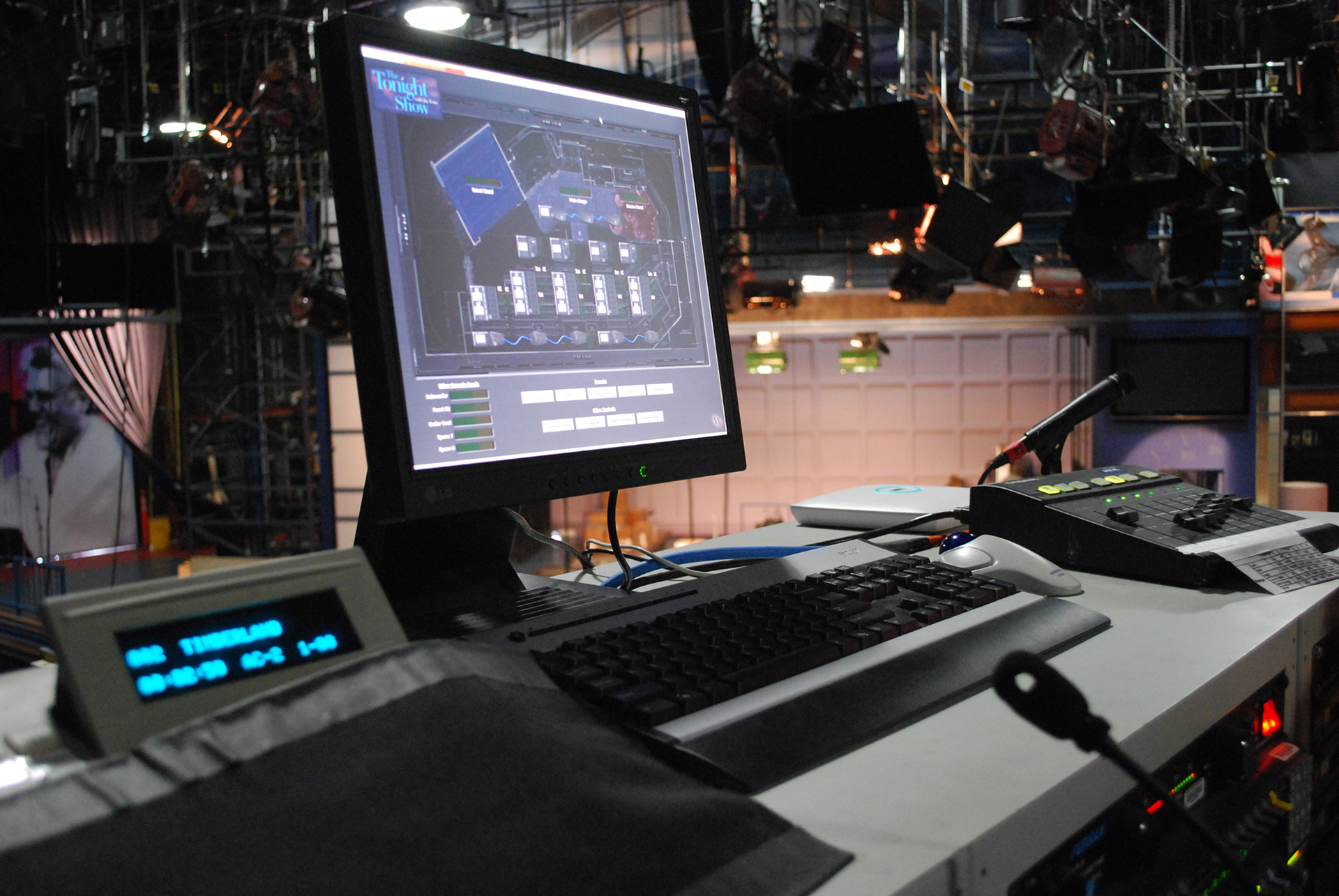
The width of the set was the central challenge. Timing differences between the live sound and the distributed arrays created the false impression of acoustical reflections. I programmed a DSP system supporting three timing scenarios, each fed from a separate bus on the main console: one delay chain times the arrays to the house band, another to the guest band, and a third to center stage. Additional delay chains time the between-seat speakers back to center stage.
The result is excellent speech intelligibility and musicality. Audience response improved, and both the house and guest bands were satisfied that the system preserved their sound.
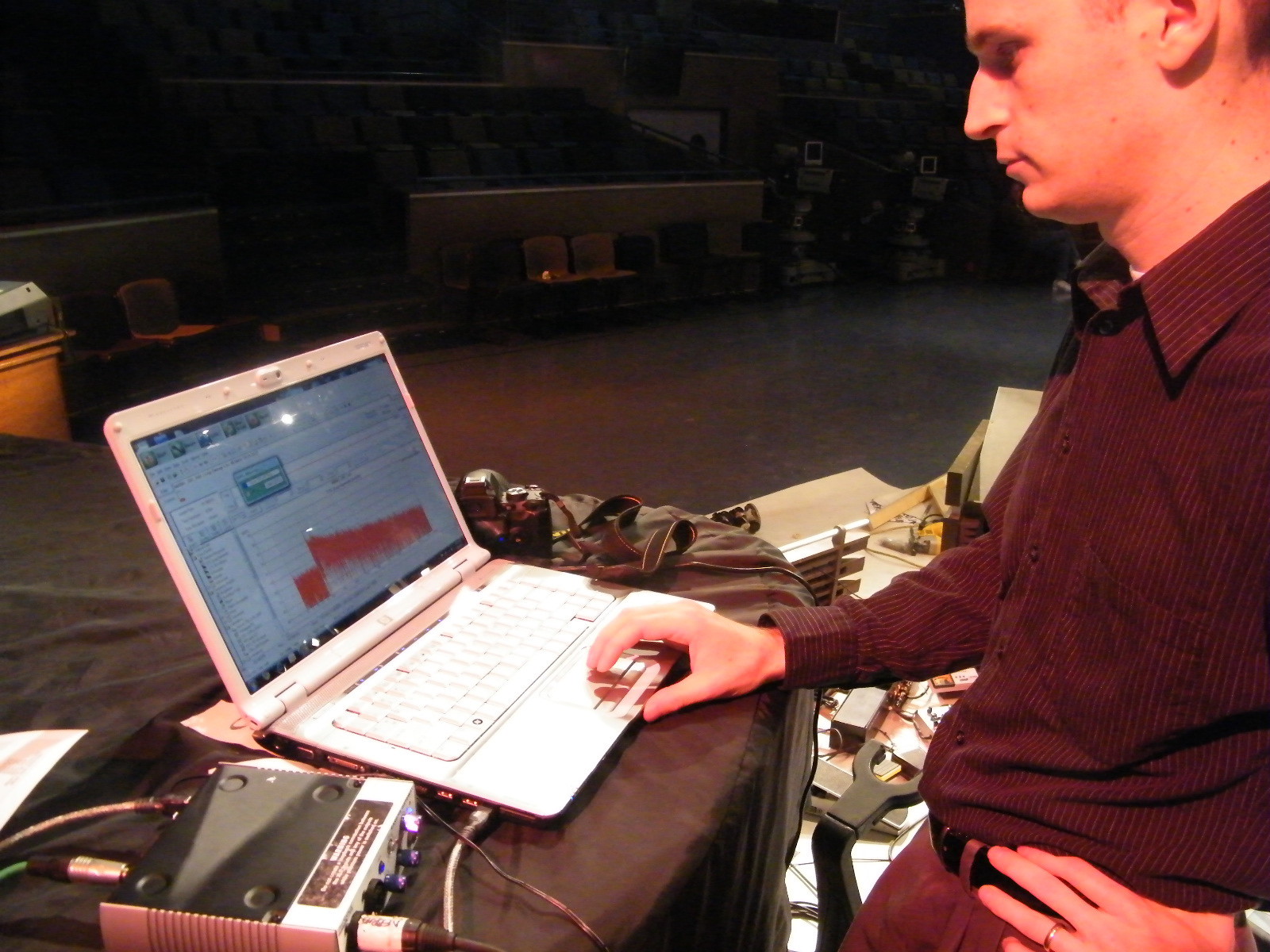
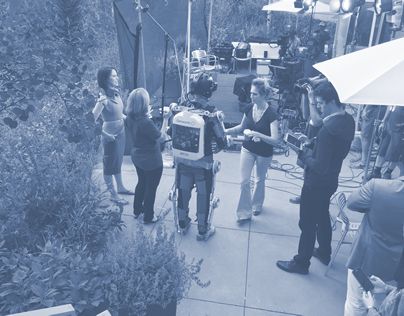
Gathering data using EASERA
Computer model showing phase interference generated from the previous line array configuration

Computer model results with reconfigured arrays showing the elimination of phase interference.
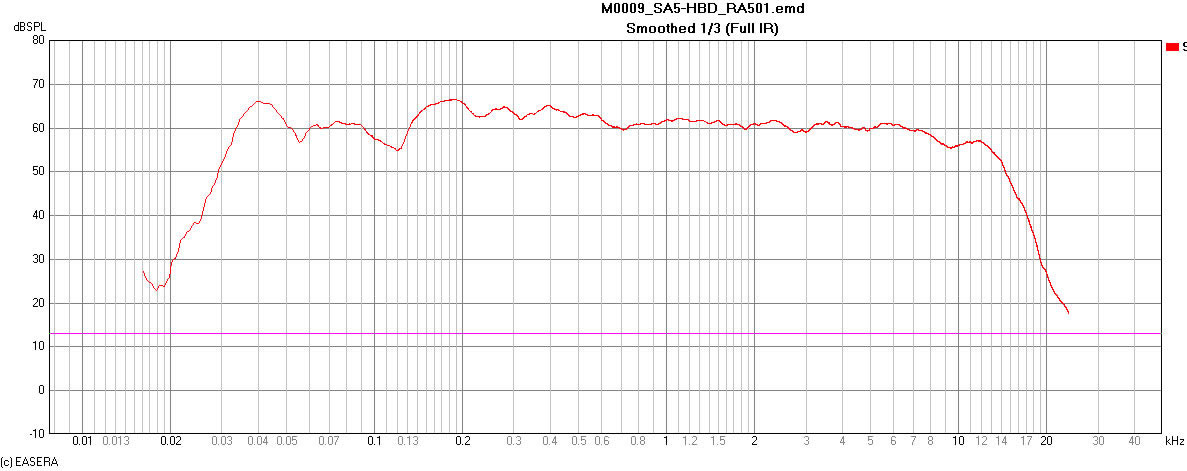
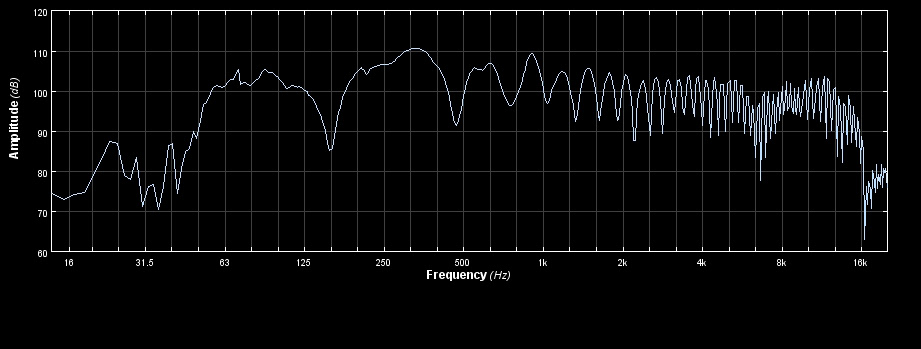
Measured response of the re-configured line arrays.
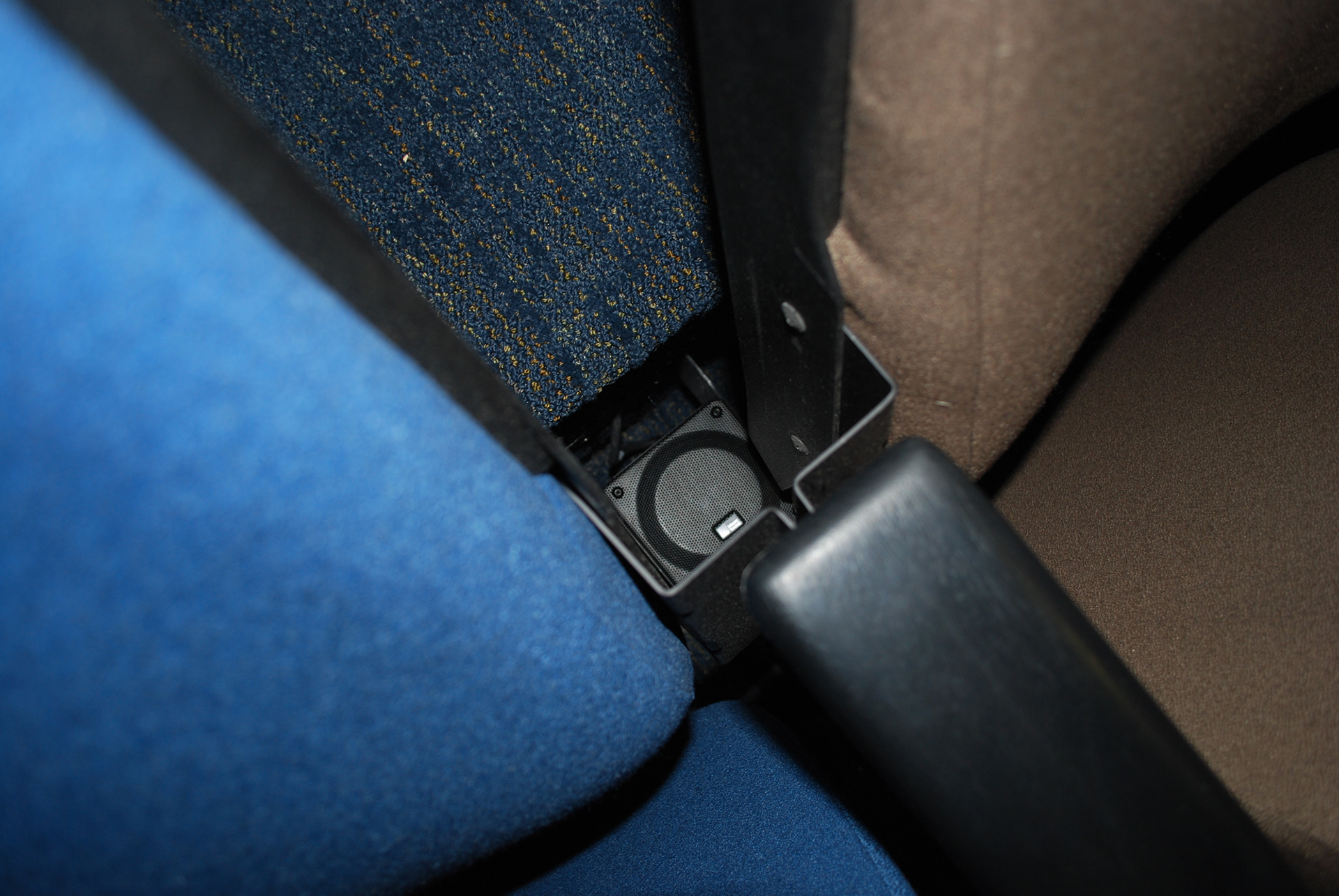
In between seat speakers

The user interface provides a quick system status with additional advanced control by clicking on any speaker.
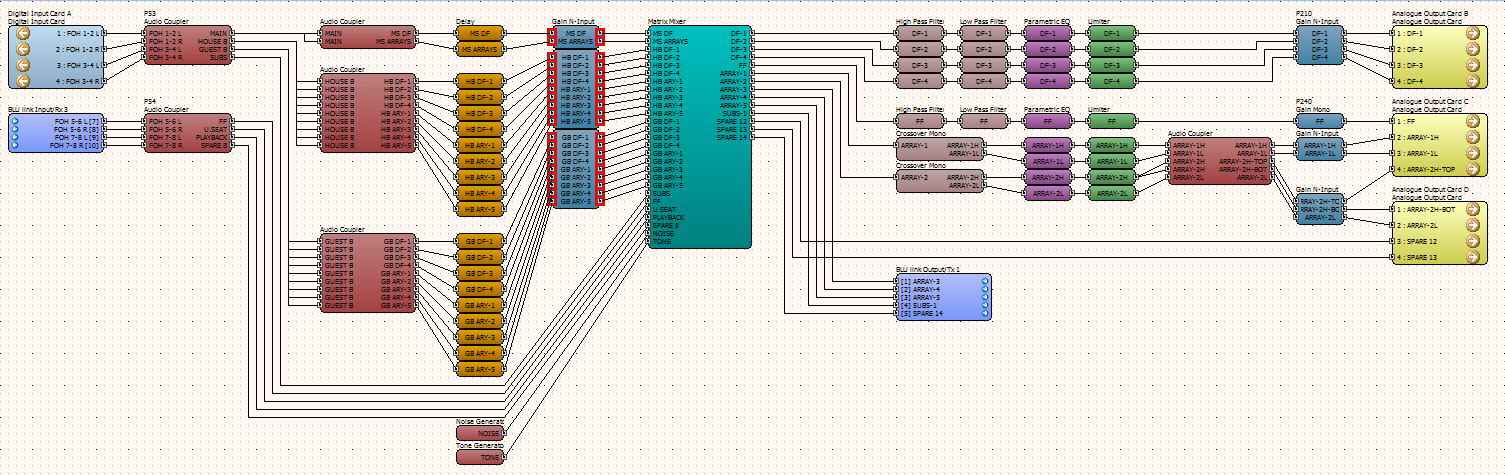
Soundweb Schematic Diagram